You land on a travel website to look for a weekend getaway. You haven’t created an account. You haven’t filled out a form. You haven’t even searched for a destination yet.
But within the first 10 seconds, the website already has a pretty good idea of who you are and what you’re looking for.
How?
The answer is Artificial Intelligence.
Modern travel websites are no longer waiting for users to tell them what they want. Instead, AI is analyzing behavior in real time, helping websites understand visitor intent almost instantly and creating highly personalized experiences from the very first click.
Let’s explore what travel websites can learn about users in those crucial first 10 seconds and how AI makes it possible.
AI Can Identify User Intent Almost Immediately
The moment a visitor lands on a travel website, AI begins tracking behavioral signals.
It looks at things like:
Which page the user landed on
Whether they came from a search engine, social media, or an advertisement
The keywords they searched before arriving
Which content catches their attention first
For example, someone landing directly on a luxury resort page is likely interested in premium travel experiences. Another visitor browsing budget-friendly destinations may have completely different priorities.
AI uses these signals to predict user intent and serve more relevant content instantly.
Browsing Behavior Reveals Travel Preferences
Every mouse movement, click, and scroll tells a story.
AI analyzes user interactions to understand preferences such as:
Luxury versus budget travel
Business versus leisure trips
Family vacations versus solo adventures
Domestic versus international destinations
Even something as simple as spending extra time looking at beach destinations instead of city tours can help AI identify interests and personalize recommendations accordingly.
Device and Location Data Provide Valuable Context
AI also evaluates contextual information.
It can identify:
The user’s location
Device type
Operating system
Preferred language
Time of access
This allows websites to make experiences feel local and relevant from the start.
AI Measures Engagement and Decision-Making Patterns
Not all visitors behave the same way.
Some users make decisions quickly, while others spend more time comparing options.
AI can detect patterns such as:
Rapid clicks indicating high purchase intent
Frequent filtering and comparisons
Long periods spent reviewing specific packages
Abandoned searches or hesitation points
These insights help travel websites adjust what they show users and guide them more effectively through the booking journey.
Personalized Recommendations Begin Instantly
One of AI’s biggest strengths is personalization.
Based on the information gathered in those first few seconds, travel websites can immediately customize:
Destination suggestions
Hotel recommendations
Travel packages
Promotional offers
Content layouts
Instead of presenting the same experience to every visitor, AI creates a tailored journey that feels more relevant and engaging.
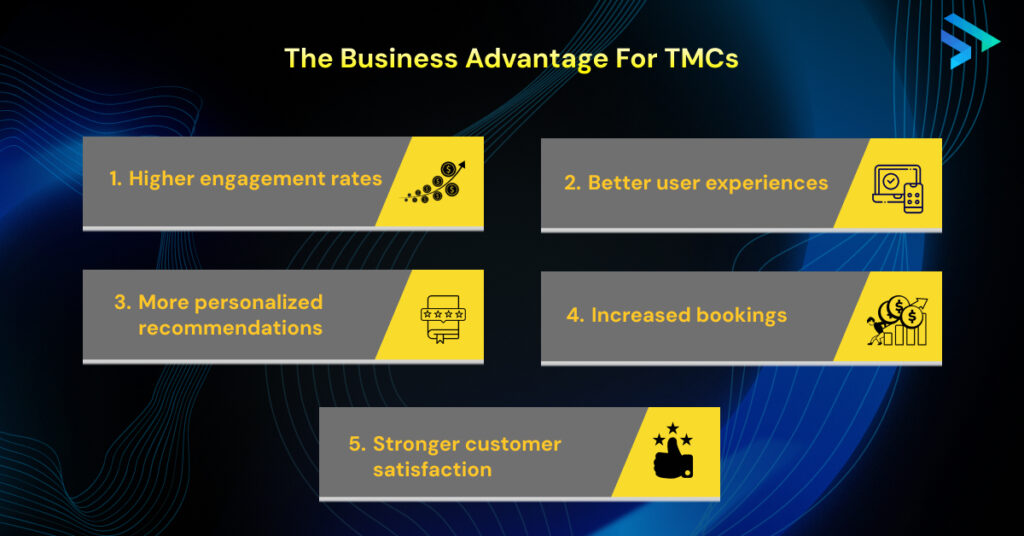
The Business Advantage
For travel companies, understanding users within the first 10 seconds creates significant advantages:
Higher engagement rates
Better user experiences
More personalized recommendations
Increased bookings
Stronger customer satisfaction
The faster a website understands a visitor, the faster it can provide value.
Conclusion
The first 10 seconds of a user’s visit are no longer just an introduction. They are a powerful source of insights.
Thanks to AI, travel websites can analyze behavior, predict preferences, understand intent, and personalize experiences almost instantly.
For travelers, this means more relevant recommendations and smoother booking journeys. For travel businesses, it means smarter decisions, better engagement, and higher conversions.
In today’s digital travel landscape, those first 10 seconds may be the most important part of the entire customer journey.